



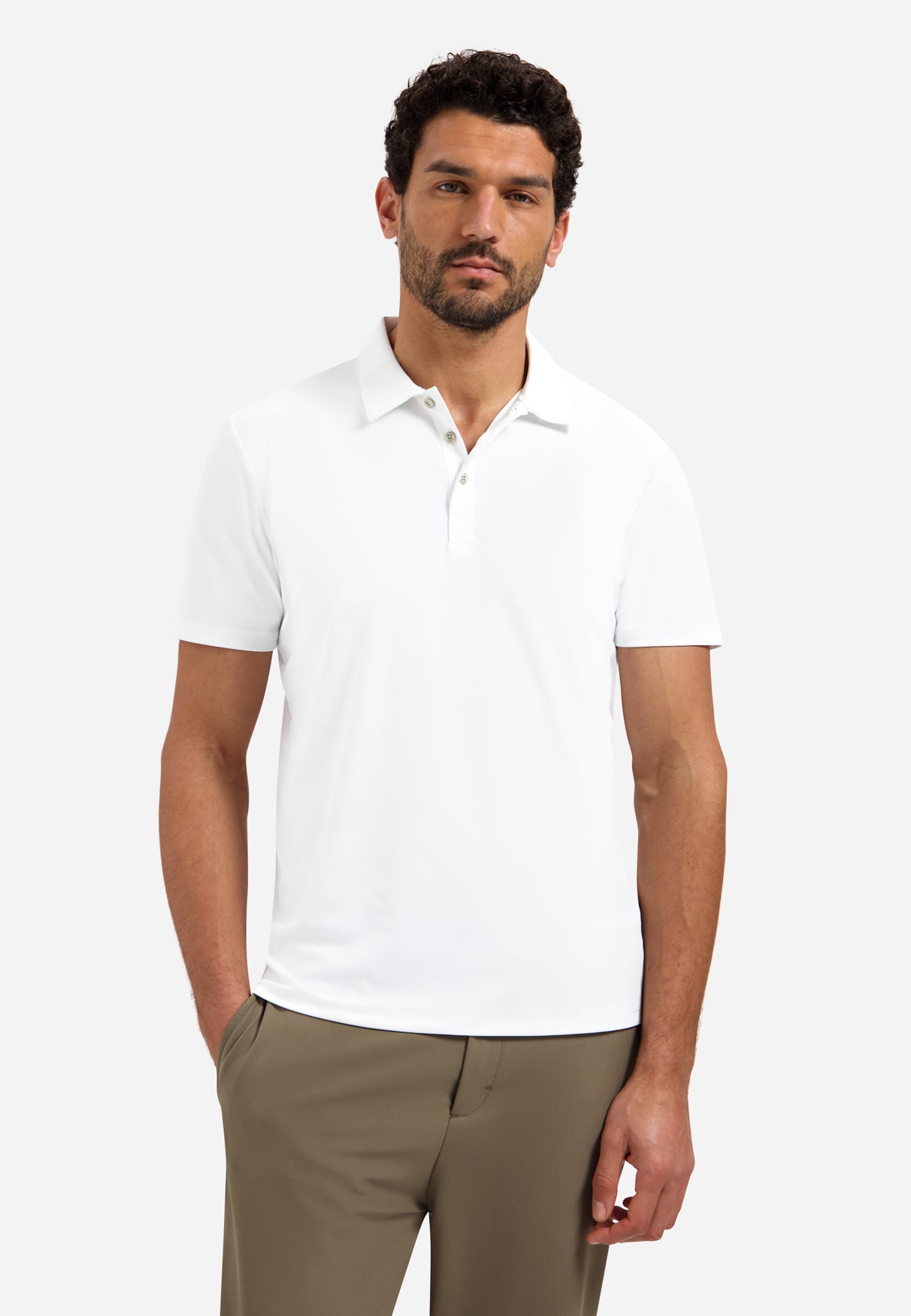


Products
We keep continuing to increase the quantity of more sustainable materials in our products. As No Excess, our aim is to increase the number of these more sustainable materials season by season.
No Excess stands for comfort and quality. For the development of the long-lasting products we are carefully selecting materials. This means also better fabrics that have less impact on the environment comparing to conventional choices.
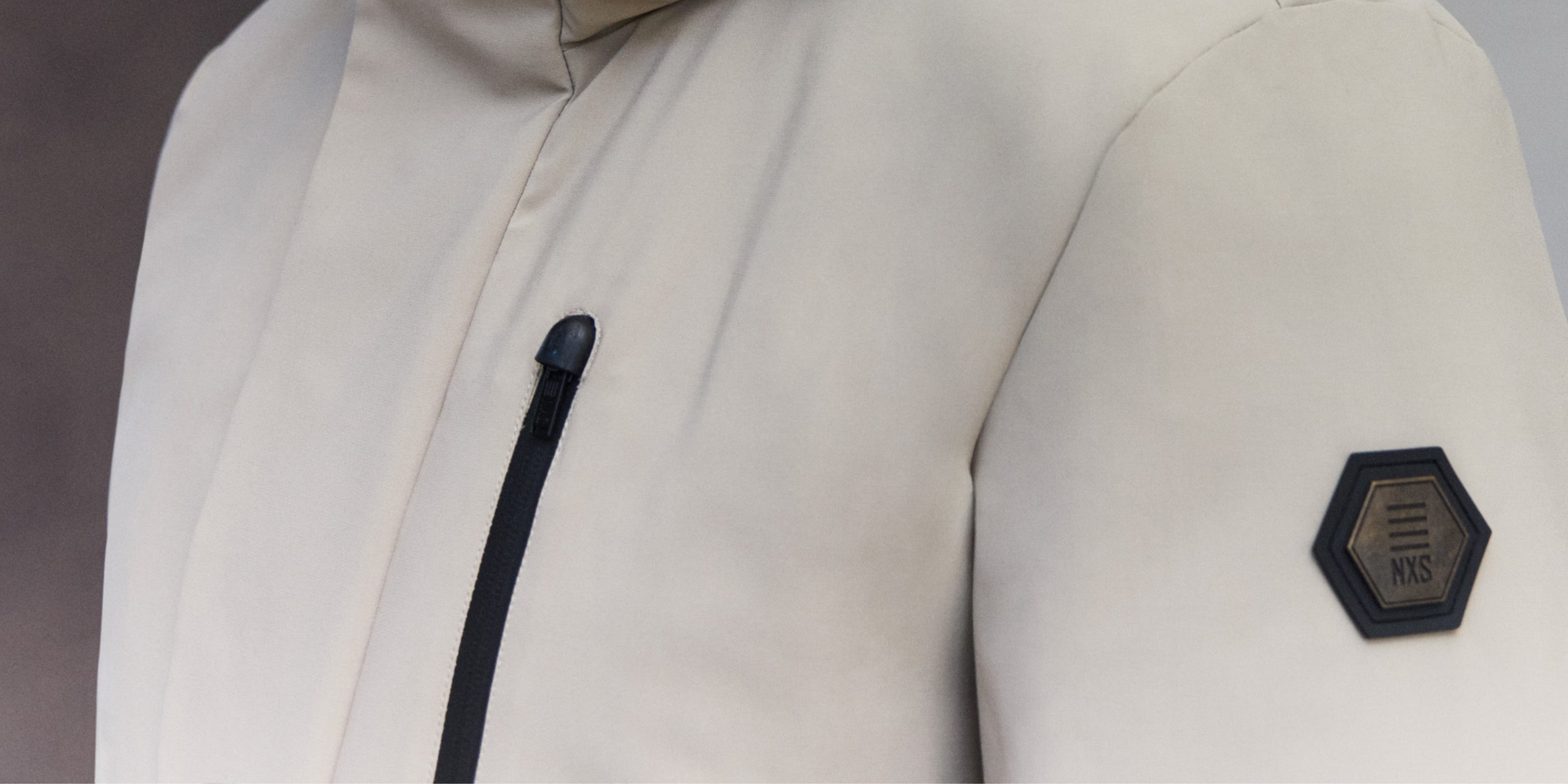
Materials in our products
Natural Materials
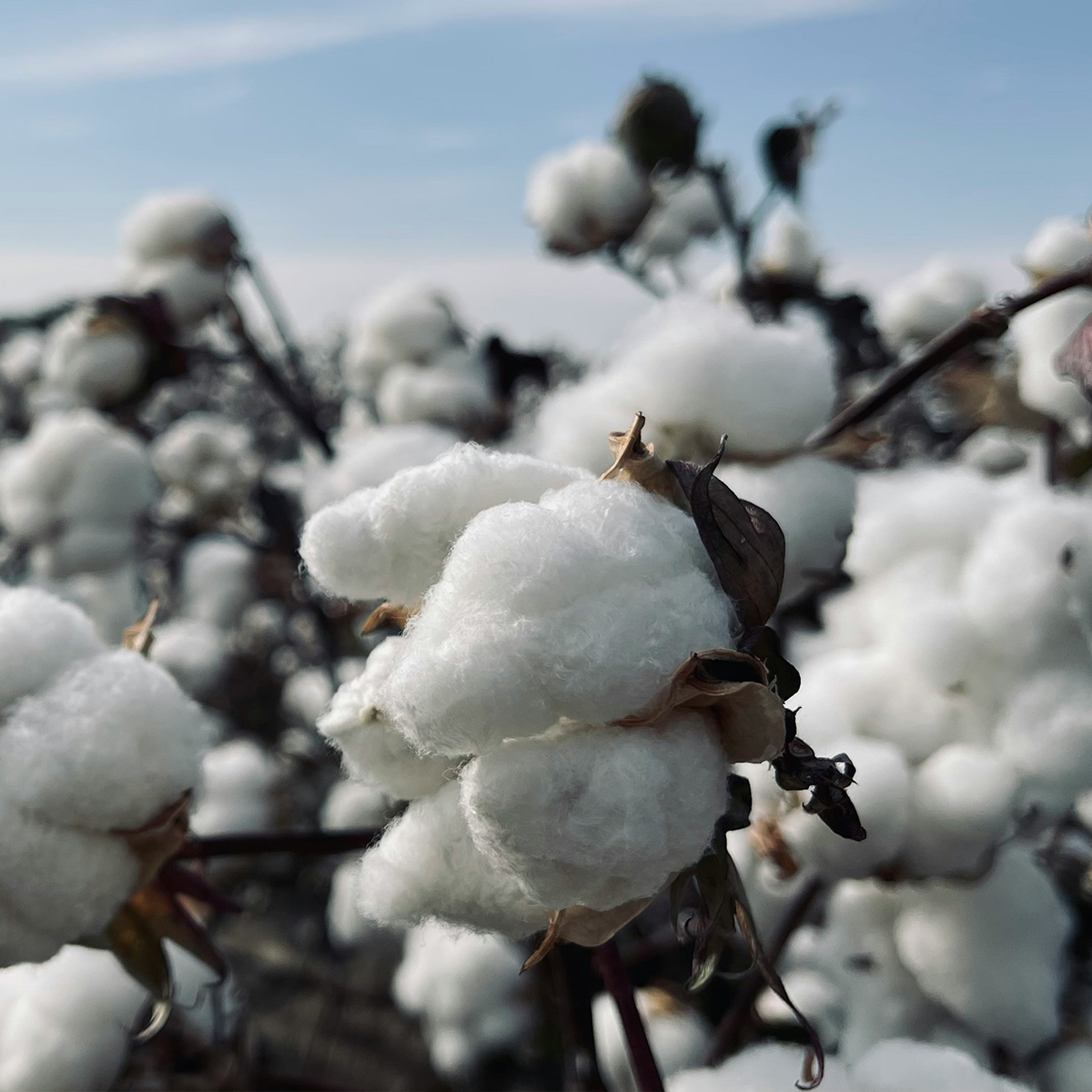
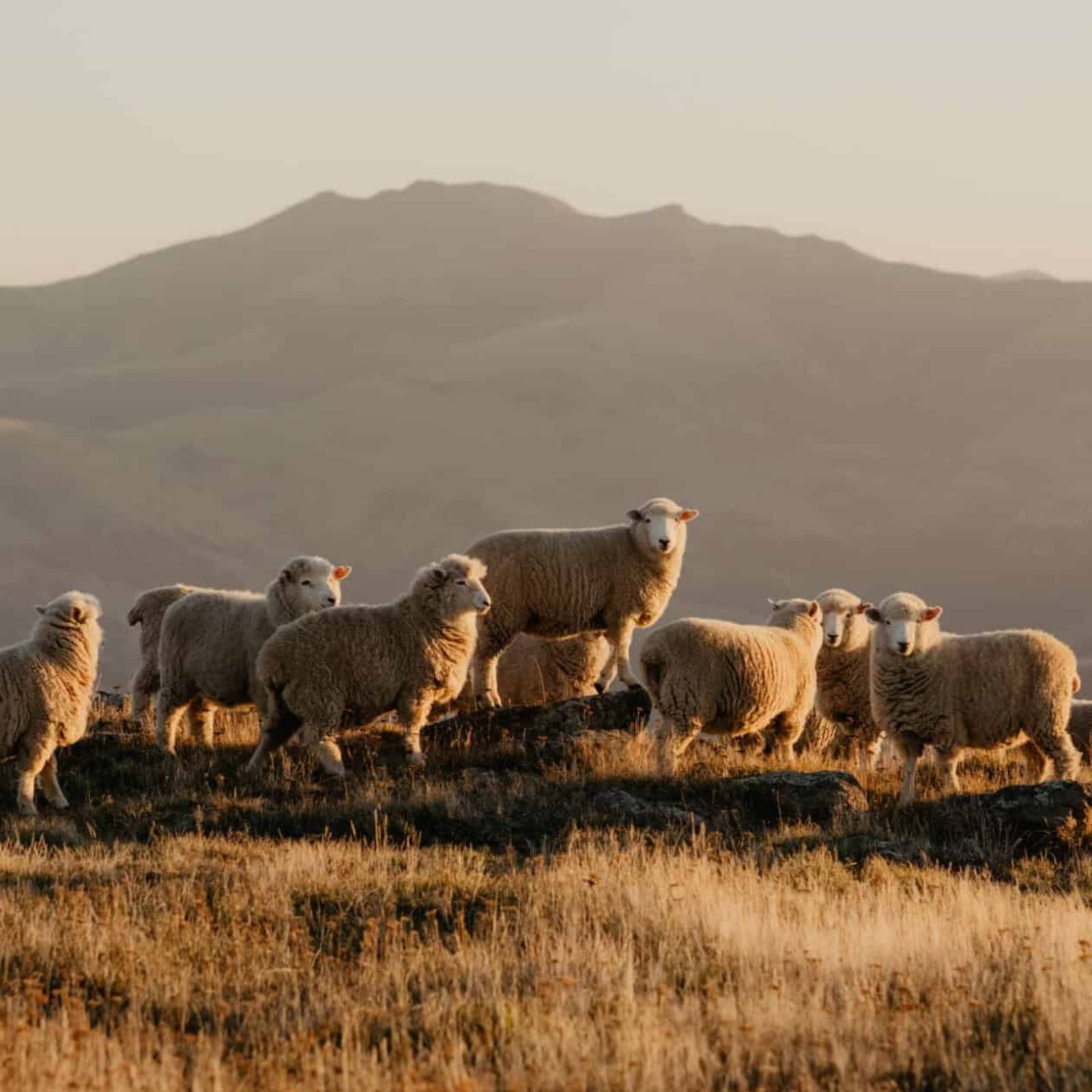
Nature has always been our starting point. By choosing high-quality natural fibers like cotton, wool, and linen, we create garments that are durable, breathable, and comfortable, with less impact on the planet.
Better cotton
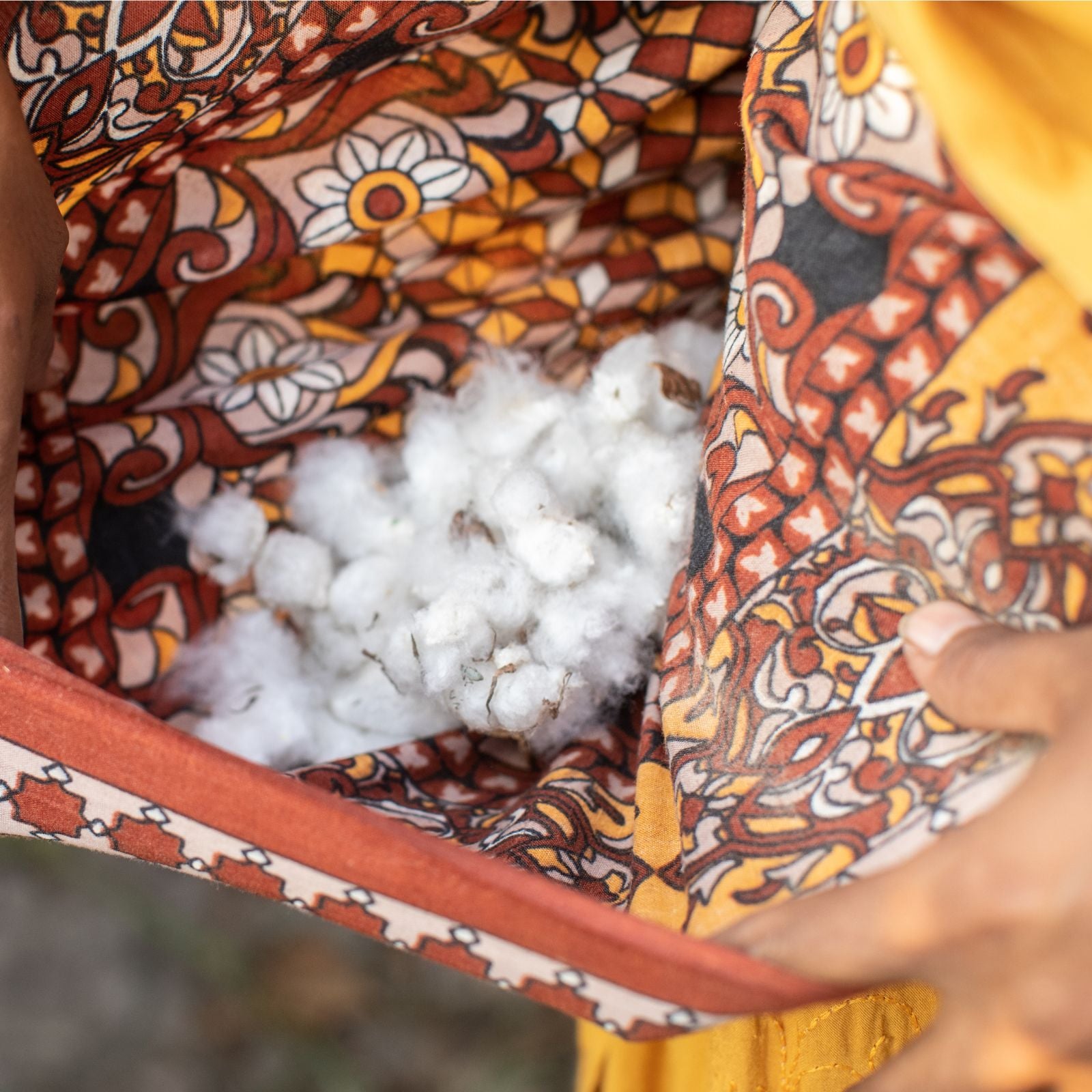
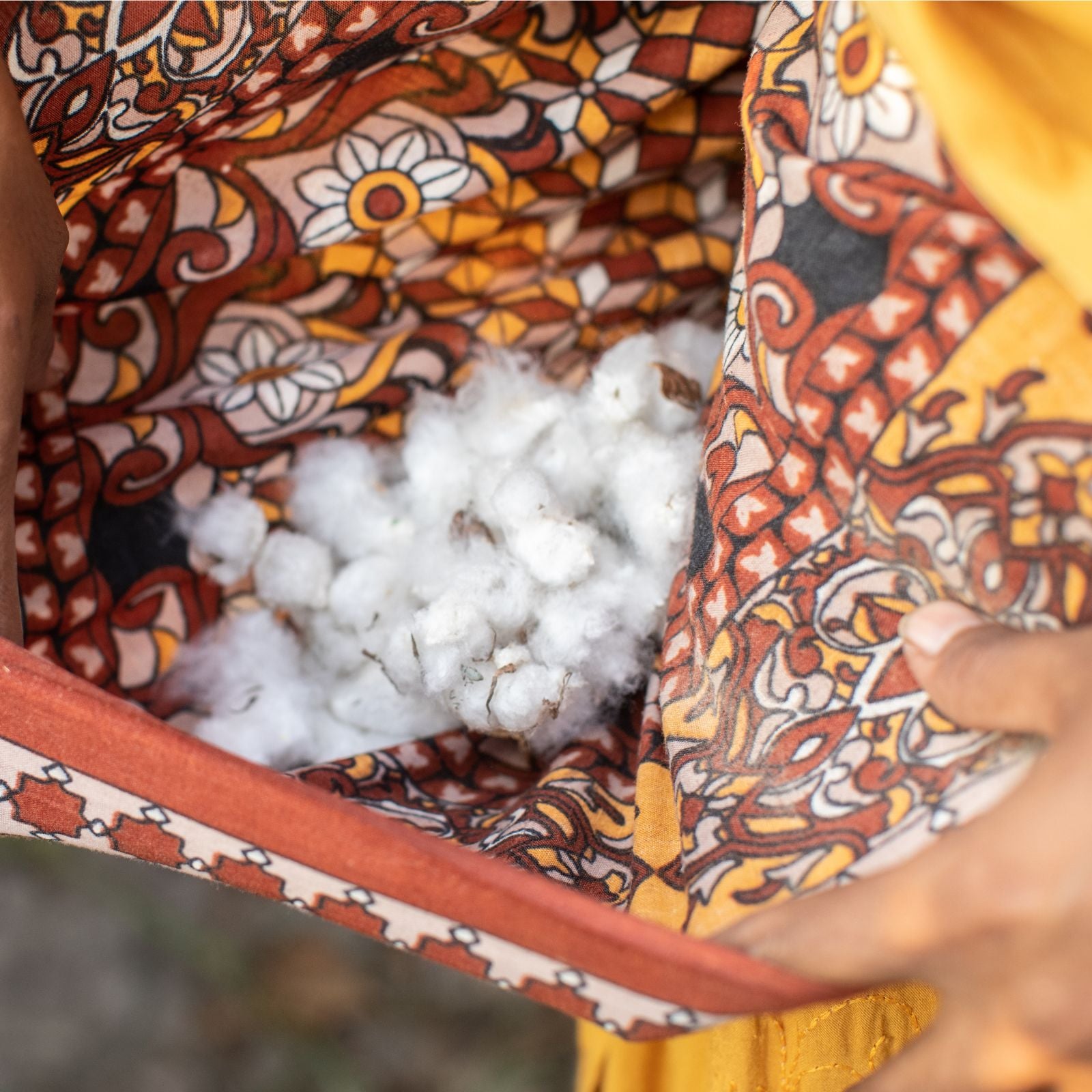
Better Cotton is the largest cotton sustainability program in the world. By ensuring the exchange of good practices, and encouraging the scaling up of collective action, the Better Cotton aims to transform cotton production worldwide and establish Better Cotton as a more sustainable mainstream product. Through Better Cotton and its Partners, farmers receive training on how to use water efficiently, care for the health of the soil and natural habitats, reduce use of the most harmful chemicals and apply decent work principles. The training also helps the farmers achieve better yields and greater financial security. As of 2022, over 2.4 million farmers in 26 countries have a license to sell their cotton as Better Cotton.
BCI cotton is sourced via a system of mass balance and is not physically traceable to end products. More information can be found on: https://bettercotton.org/
Organic Cotton
With organic cotton the use of GMO-seeds is not allowed. GMO stands for genetically modified organism. There is a strong restriction in the use of synthetic chemicals and fertilizers during the cotton cultivation. It is increasing the health and fertility of the soil. The water usage is lower as it mostly growing in regions with natural irrigation by rains. This has been monitored and validated by the worldwide accepted certificates GOTS and OCS.
RWS Wool
The Responsible Wool Standard is a standard that addresses animal welfare and the managing of land. This standard includes the Five Freedoms of animal welfare, land management methods which helps to protect the soil and biodiversity. The standard criteria also cover social welfare, working conditions, and the health and safety of workers associated with farms. For more info https://textileexchange.org/responsible-wool-standard/
Linen
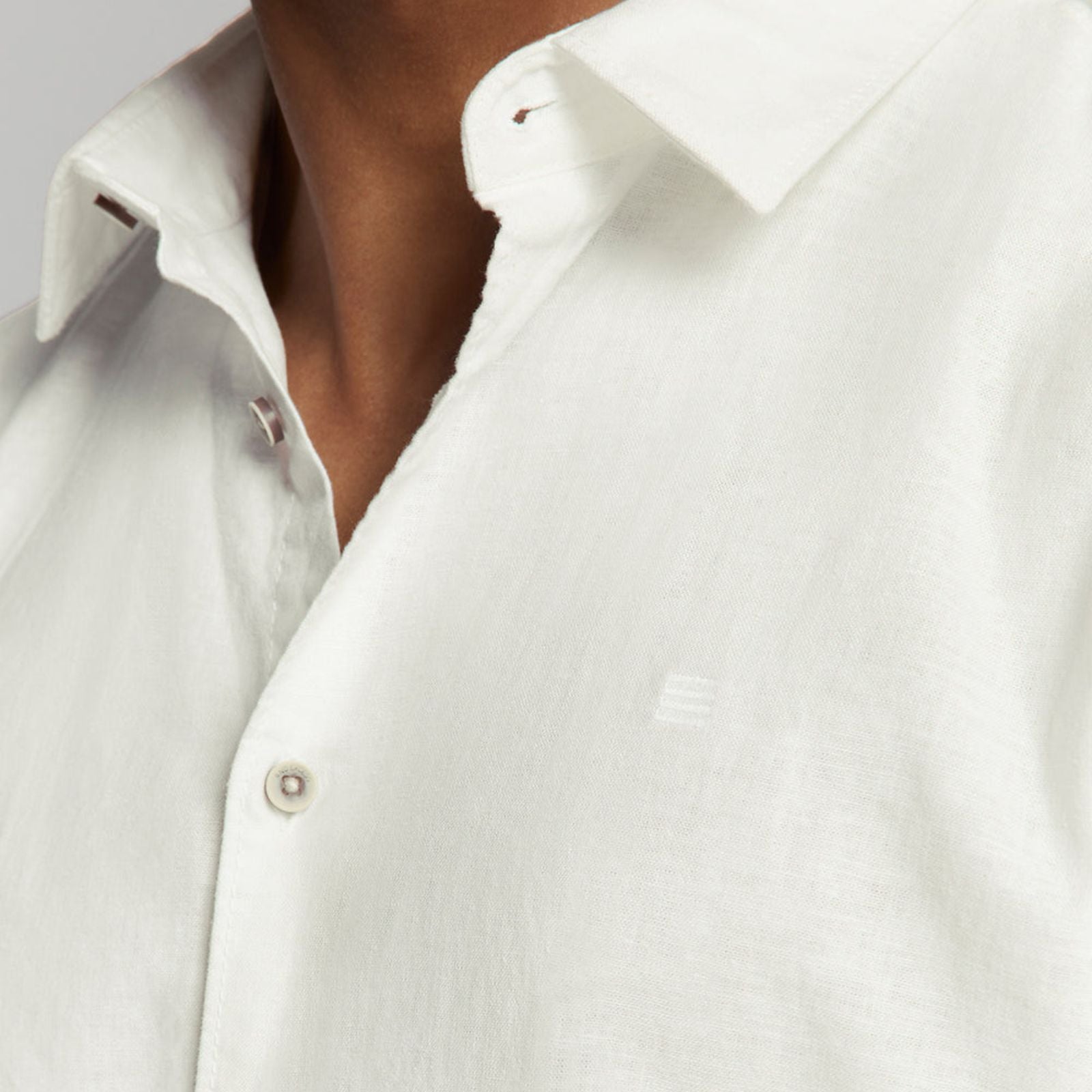
Linen is a natural, sustainable material that is cultivated in areas with a moderate climate. The cultivation of linen uses less water, less fertilizers, and less pesticides than conventional cotton. The fabric is strong and durable, which gives the material its great longevity.
Materials Made from Mostly Natural Resources
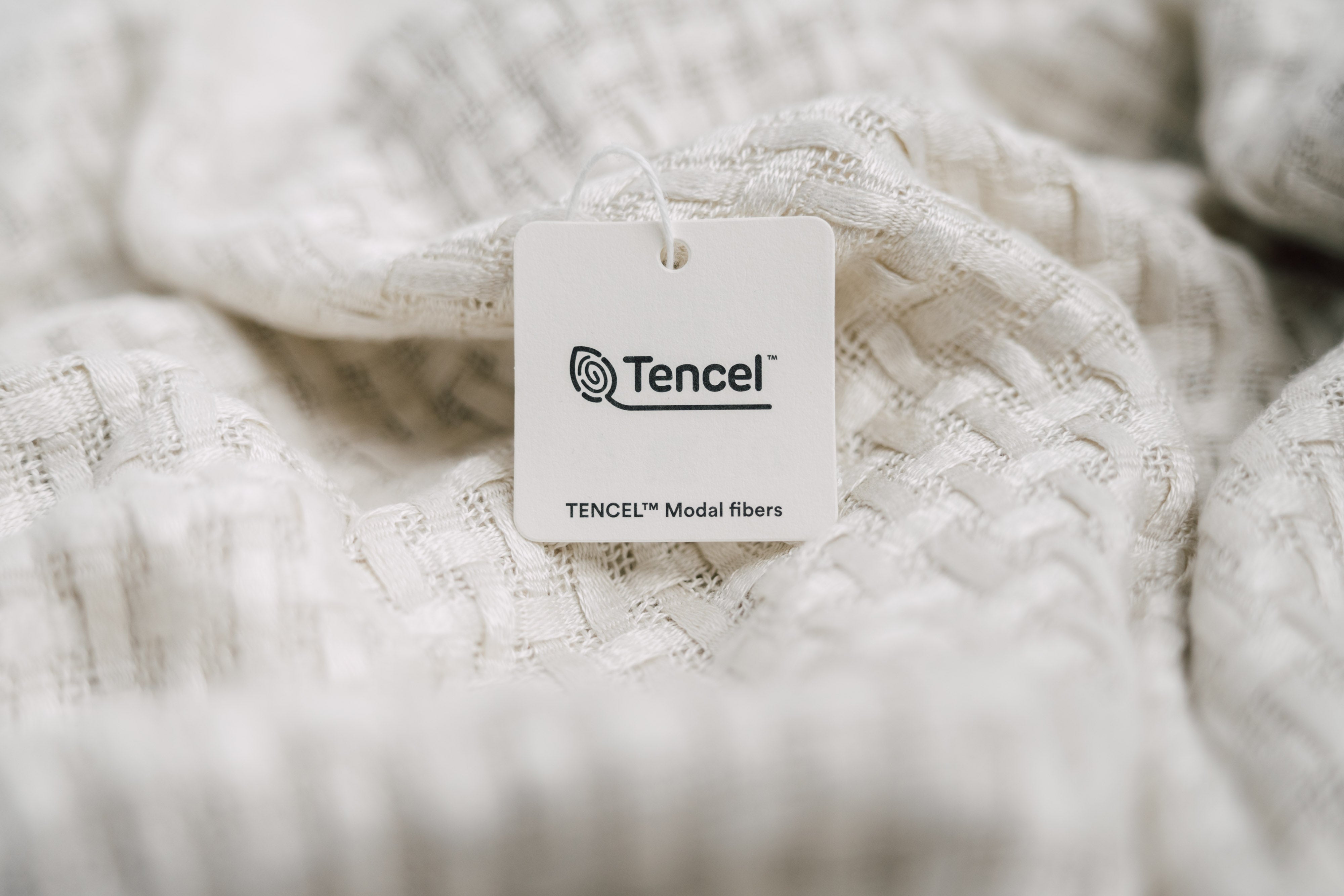
Innovation meets responsibility. Fabrics like TENCEL™ Lyocell and LENZING™ ECOVERO™ are made from renewable wood sources, using cleaner processes that save water and reduce emissions, while keeping comfort and style at the core.
TENCEL™ Lyocell
Lycocell is made of woodpulp. The raw material comes from organic, renewable sources. The process to make the Lyocell material from woodpulp is environmentally friendly. The process occurs in a closed loop system, so nearly all solvent is re-covered and re-used. The wastewater it non-toxic. TENCEL™ Lyocell is developed by the Austrian Lenzing AG. The raw material is derived from sustainably grown wood.
LENZING™ ECOVERO™
Naturally lightweight, LENZING™ ECOVERO™ fibers give woven and knitted fabrics a tactile softness.
LENZING™ ECOVERO™ fibers are made from wood, a natural and renewable raw material carefully sourced from responsibly managed forests. The wood taken from nature is purposefully balanced with forest growth rates, to ensure the continued availability of this valuable resource.
The responsible production of LENZING™ ECOVERO™ fibers uses at least 50% less water and emits at least 50% less greenhouse gas (GHG) compared to generic viscose fibers, according to Higg MSI^, thereby saving precious resources for future generations.
More information can be found on: https://www.ecovero.com/
^Results based on LCA standards (ISO 14040/44) and available via Higg MSI Version 3.9.1 (December 2024).
Jeans
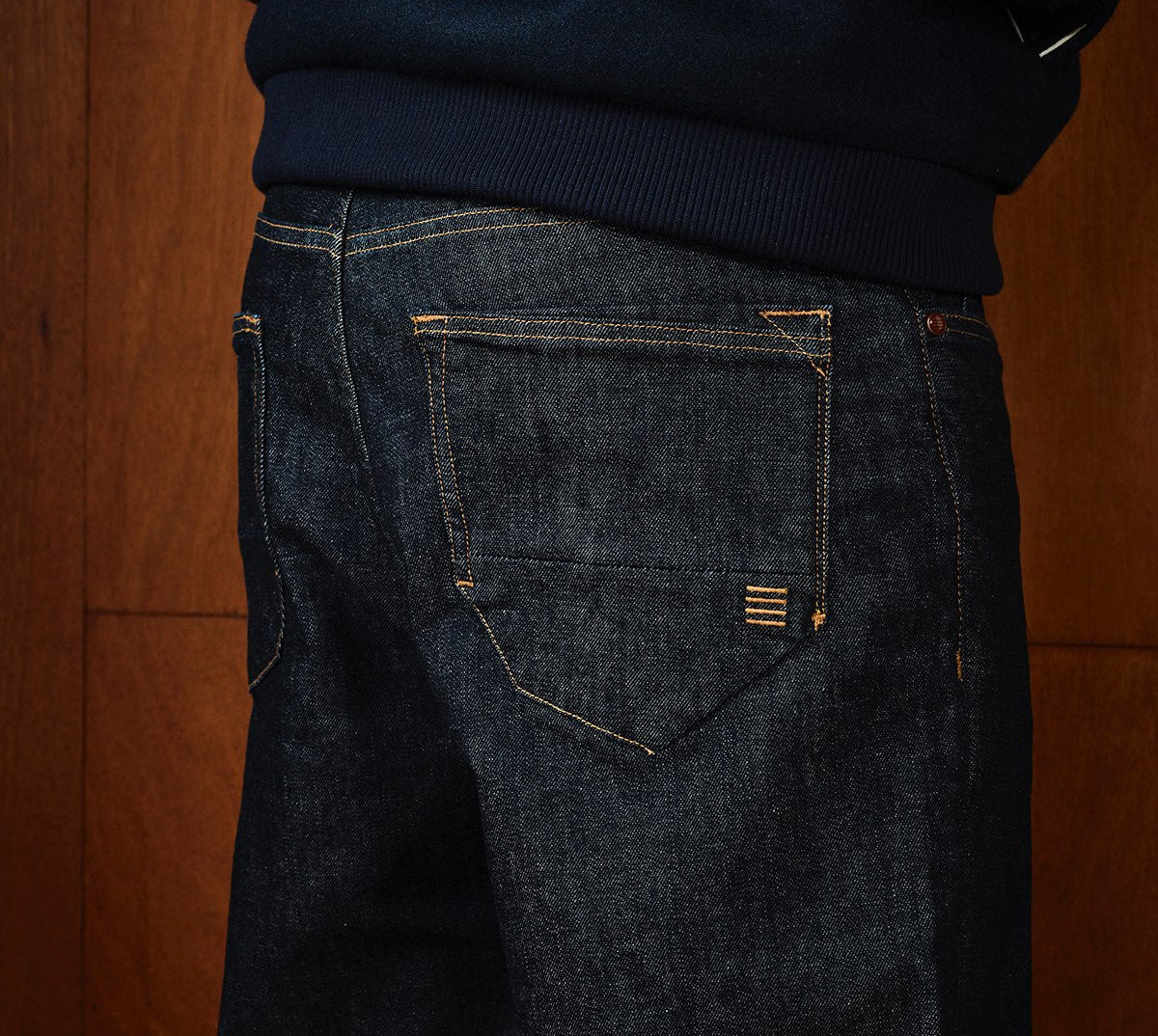
On a selection of our denim range, an EIM score hangtag can be found. With the help of the EIM score, it is possible to measure the environmental impact of jeans. EIM stands for Environmental Impact Measurement and is developed by Jeanologia. The EIM score reflects the impact of the denim production in terms of water, chemical, and energy usage, as well as the health and safety of the factory workers. Jeanologia’s mission is to create an ethical,sustainable, and eco-efficient textile & apparel industry through disruptive technologies. Further info about Jeanologia can be found here: Jeanologia each denim collection we develop, we try to further minimize our impact.
Recycled Materials
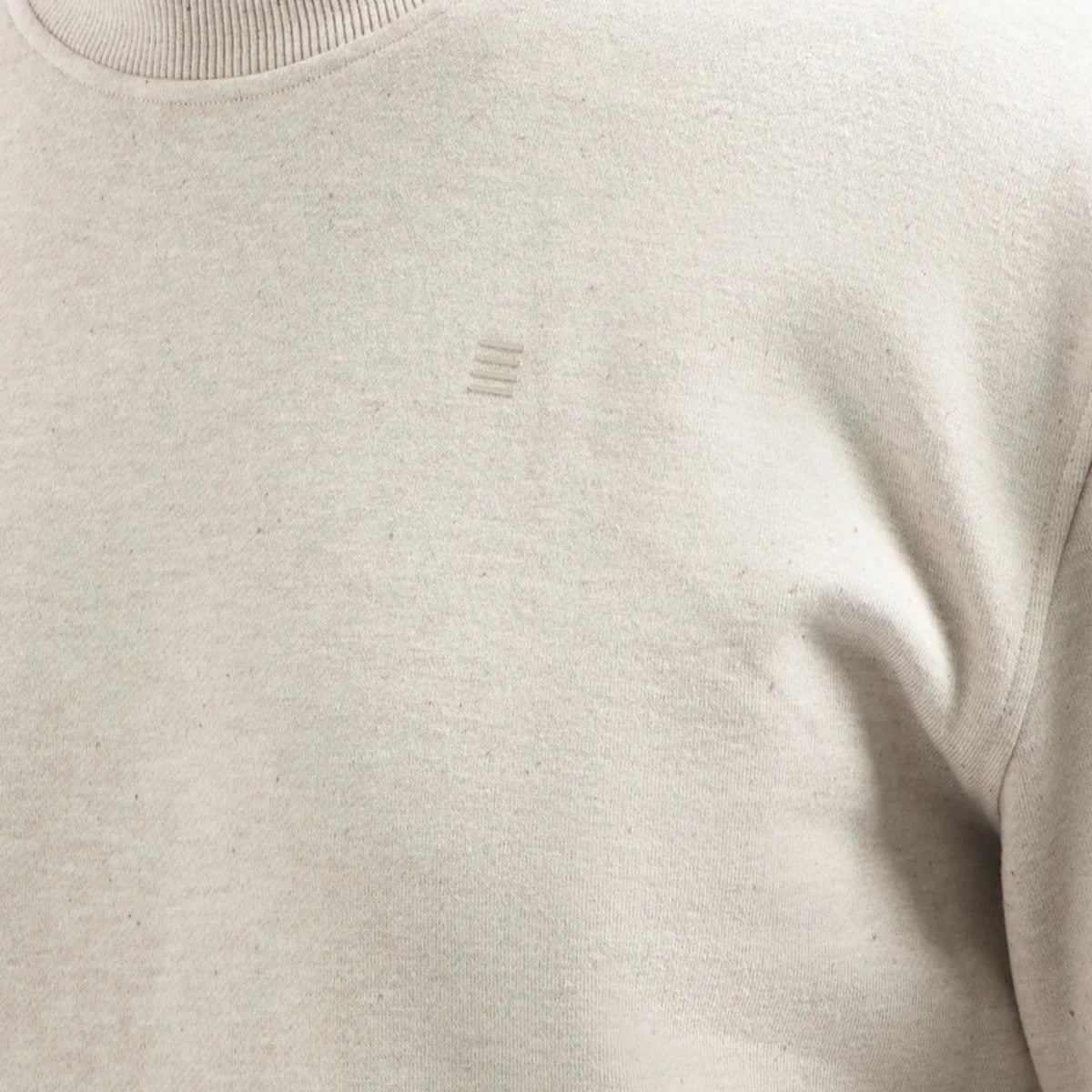
There are multiple advantages by using recycled materials. It is reducing the necessity to use newly sourced materials, reducing the waste on landfills, and increasing the lifespan of the original sourced materials. Apart from this, it’s also reducing the emission of greenhouse gas (CO2). Recycled post–consumer materials is a step towards a circular economy.
Innovative Materials
Innovative materials are materials which are developed with new technics to reduce the impact on the world.